

Las Vegas throws a lot at you, especially if you’ve never been. The nonstop lights, wild shows, and endless choices—it’s all part of the magic, but planning your trip can get messy fast.
Here’s the truth: having a simple game plan changes everything. With just three days, you can hit classic Vegas spots, eat some amazing meals, and stumble onto a few hidden gems without burning out.
This guide lays out exactly where to go, what to see, and how to keep your trip fun.
Planning your first Vegas trip is kind of like opening a giant menu where everything looks good, and you have no clue where to start. Here’s my take: the best Vegas trips mix sightseeing, downtime, and a little nightlife.
You don’t need a minute-by-minute plan—leaving open space for wildcards makes the city way more fun.
Think about your trip in zones and energy levels. Mornings are perfect for checking out major attractions while everything’s still fresh. In the afternoon, slow it down. When evening hits? That’s when Vegas really wakes up.
Here’s a simple structure:
This approach keeps things manageable while still covering the best things to do in Las Vegas.
The first day sets the mood. Don’t worry about cramming everything in—just soak it up and wander. After you check into your hotel, take a moment to settle.
Even the hotels are over-the-top here—giant fountains, replicas of world landmarks, living artwork everywhere.
Start with a casual walk along the Strip. It’s the heart of most Las Vegas trip planner ideas, and for good reason.
You’ll pass famous landmarks like:
Each resort has its own theme, and stepping inside feels like entering a different world every time.
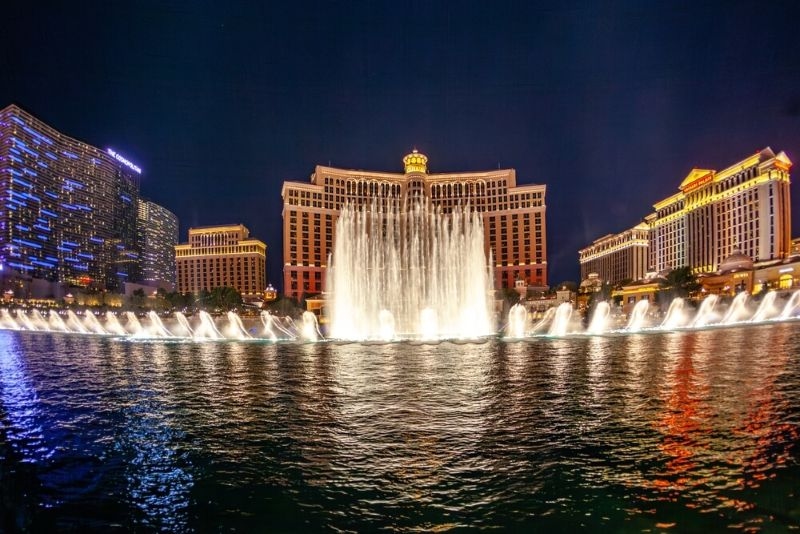
This one’s free and still blows people away. The music, the water, the crowd energy—it’s simple, but it sticks with you.
For your first dinner, pick somewhere you can look out over the Strip. Try a rooftop spot or a restaurant inside a major hotel. The “I’m really in Vegas” feeling hits different from up high.
Day two is where your Las Vegas itinerary becomes more immersive. You’ve seen the basics. Now it’s time to experience the city more fully.
Start your morning with one or two major attractions.
Popular choices include:
These spots give you a deeper sense of the city’s personality beyond the casinos.
Here’s something many first-time visitors miss. Vegas is more than gaming floors.
Take a break and visit:
Fremont Street, especially, feels completely different from the Strip. It’s louder, more vintage, and a bit raw in a good way.
By now, you’ll realize Vegas is intense. Head back to your hotel, find the pool, or grab a snack. Power-nap if you want. You’ll need a second wind.
No Vegas vacation itinerary is complete without a show.
Options vary widely:
If it’s your first time, a Cirque show is often a safe and impressive choice.
After your show? Maybe check out a club, try your hand at a slot machine, or do another stroll along the Strip. After dark, the city feels bigger, noisier, and still somehow charged.
Don't Miss: Las Vegas Weekend Trip Guide For A Fun And Easy Escape
By now, Vegas feels a little less like chaos and more like a place you’re getting to know. So do something memorable.
Vegas is famous for its “go big or go home” vibe. Why not?
These tend to be trip highlights, honestly.
If you like to shop (or just look), you’ve got:
Half the fun is wandering—these places are attractions in their own right.
Before you pack up, wander the Strip one more time. Notice stuff you missed—cool architecture, weird street performers, or just little glimpses of everyday Vegas life. It’s a peaceful way to end things.
Give yourself a little extra time before heading out—traffic around the Strip can get wild, especially on weekends.
If your flight isn’t for a while, stash your luggage at the hotel and squeeze in one last meal or a quick adventure.
Also Read: Best Time to Visit Las Vegas for Budget-Friendly Trips
A solid Las Vegas itinerary helps a ton, especially if it’s your first visit. With just three days, you can hit the city’s highlights without feeling rushed or lost. It’s all about balance.
Mix the must-see sights with time to relax. Wander the Strip, but poke around in the quieter corners too. Leave yourself a little space for impulsiveness—some of the best stories start when you don’t stick to the plan.
Whether it’s your Vegas debut or just the beginning of a bigger adventure, this itinerary sets you up right. What happens next? That’s the magic part.
Spring and fall are generally the most comfortable times to visit. Temperatures are milder, making it easier to walk around and explore. Summers can be extremely hot, while winters are quieter and often more affordable.
It depends, but most mid-range travelers spend about $800 to $1500, not counting flights. That covers hotels, food, a show or two, and some fun extras. Set yourself a daily budget to stay on track.
Most visitors don’t need a car if staying on or near the Strip. Walking, rideshares, and the monorail cover most needs. A car is helpful only if you plan day trips outside the city.
Yes, absolutely. Many visitors don’t gamble at all. The city offers shows, dining, shopping, attractions, and outdoor experiences that make it enjoyable even without stepping into a casino.
This content was created by AI